 |
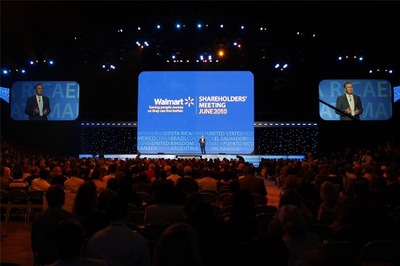
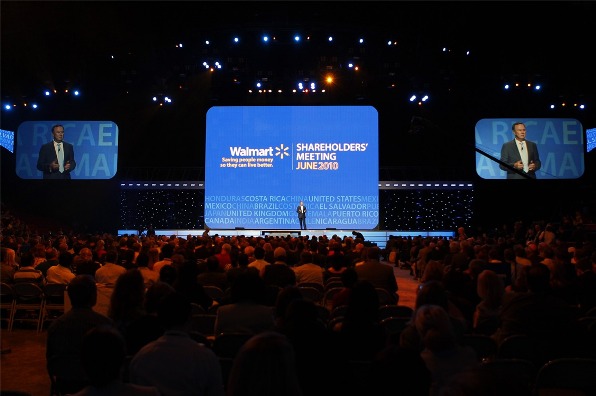
Beginning in 2009, Walmart created a nationwide infrastructure of landfill alternatives that could open new opportunities for municipalities and other businesses to reduce the amount of solid waste they send to landfills. Mike Duke, President and CEO of Walmart. Walmart Shareholders' Meeting, June 4, 2010.
Courtesy of Walmart |
| |
Bentonville, Ark., USA - March 17, 2011
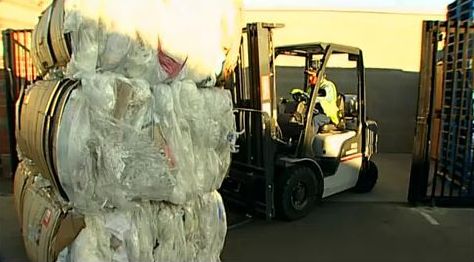
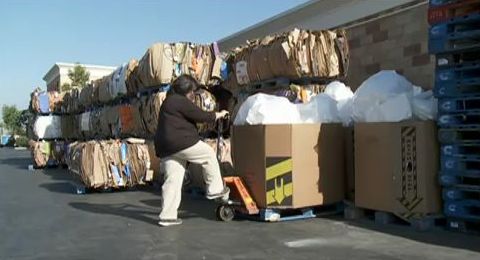
Walmart Eliminates More than 80 percent of Its Waste in California That Would Otherwise Go to Landfills
Company results far exceed national average where EPA estimates only 45 percent of waste is diverted from landfills
Walmart reported today that it has
eliminated more than 80 percent of the waste that would go to landfills from its operations in California.
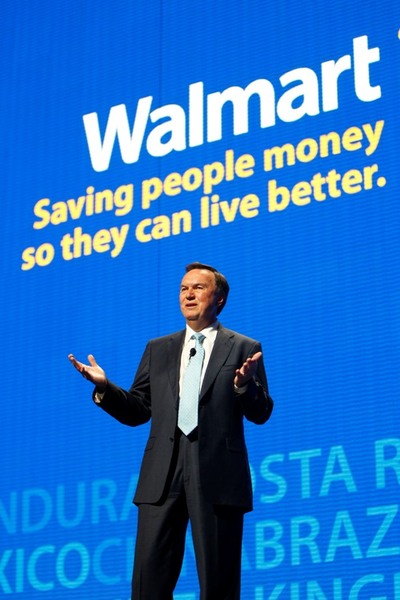 |
Achieving a similar 80 percent reduction in its landfill waste across the country would help Walmart prevent more than 11.8 million metric tons of carbon dioxide emissions annually. This is equal to taking more than 2 million cars off the road for a year. Mike Duke, President and CEO of Walmart. Walmart Shareholders' Meeting 2010.
Courtesy of Walmart |
| |
The company’s comprehensive waste reduction program that produced these results is now being implemented across
Walmart’s 4,400 stores, Sam’s Club locations and
distribution centers in the U.S., moving it closer to its global goal of
creating zero waste.
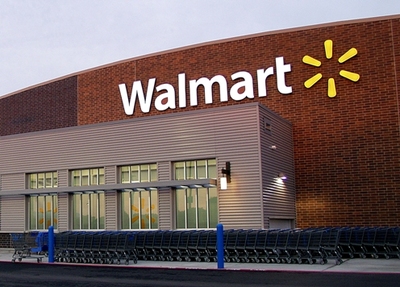 |
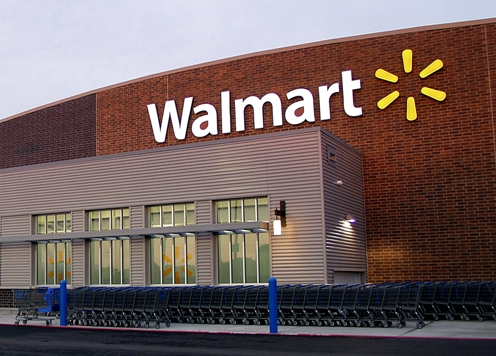
Walmart Store. Walmart stores serve millions of people around the globe each day. The company operates more than 2,700 Walmart stores in the U.S.
Courtesy of Walmart |
| |
Achieving a similar
80 percent reduction in its landfill waste across the country would help
Walmart prevent more than
11.8 million metric tons of carbon dioxide emissions annually.
 |
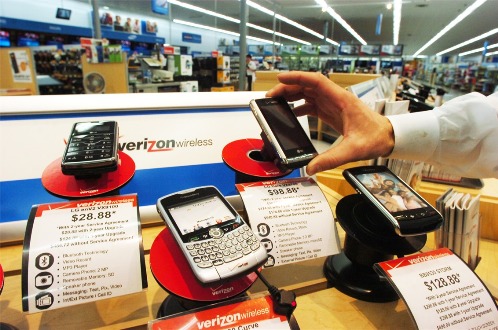
Walmart Electronics Department. The new electronics department at the Walmart store in Rogers, Ark. The new design provides customers an interactive and hands-on experience to test new technology with interactive displays for hi-definition Blu-ray, video gaming and portable electronics.
Courtesy of Walmart |
| |
This is equal to taking more than
2 million cars off the road for a year. According to the
United States Environmental Protection Agency (EPA) Greenhouse Gas Equivalencies Calculator
http://www.epa.gov/cleanenergy/energy-resources/calculator.html
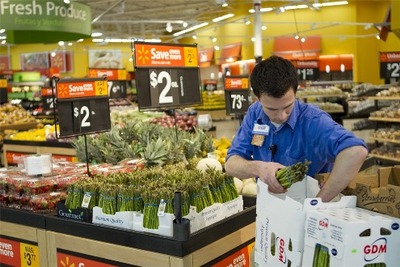 |
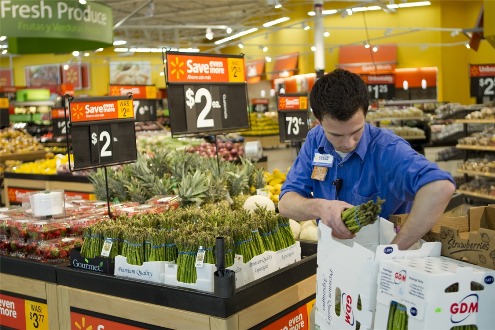
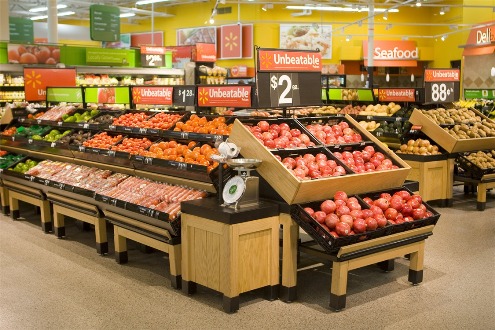
| Walmart is offering unbeatable savings on family favorites from ham and fresh produce to Easter candies and cupcakes. Courtesy of Walmart |
| |
“We are proud of the progress we are making toward our zero waste goal, but realize we still have more work to do,” said
Bill Simon, president and CEO of Walmart U.S.
“We are committed to actively finding and developing solutions that are both good for the environment and good for business.”
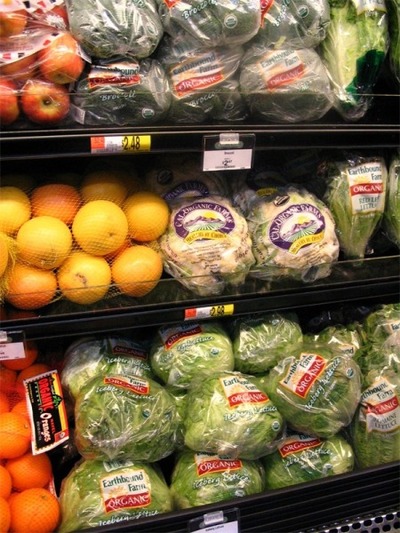 |
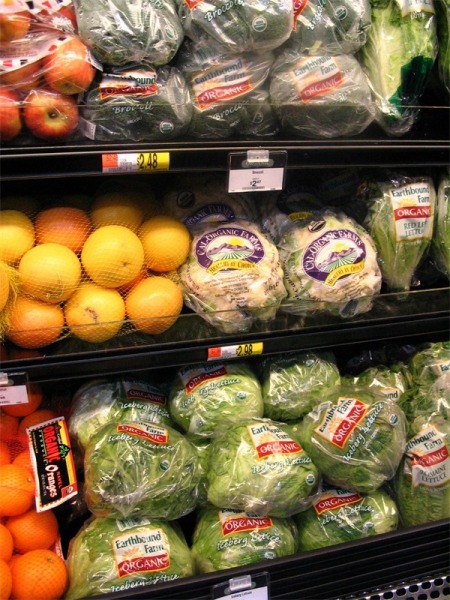
Organic Produce.
Courtesy of Walmart |
| |
“We do everything with the customer in mind. We are committed to buying, operating and selling for less, and our waste program is a great example of developing new ideas that help us save our customers money,” continued
Simon.
“Through this program we are able to provide the raw materials needed to make new products, recycle millions of pounds of commodities and reduce the environmental impact of landfills.”
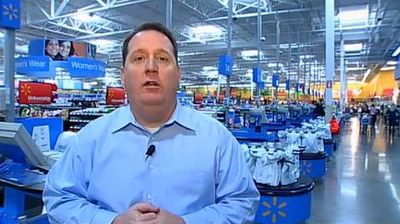 |
Mike Moore, EVP & President of Walmart Central.
Courtesy of Walmart |
| |
Beginning in 2009,
Walmart created a nationwide infrastructure of landfill alternatives that could open new opportunities for municipalities and other businesses to reduce the amount of solid waste they send to landfills.
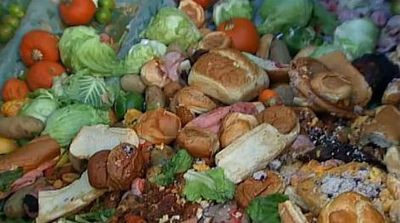 |
Organic Solutions.
Courtesy of Walmart |
| |
The Walmart zero waste program has three main components:
•
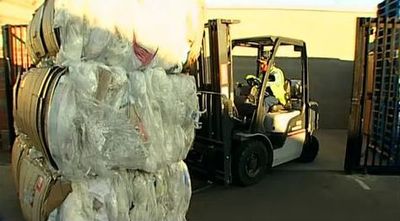
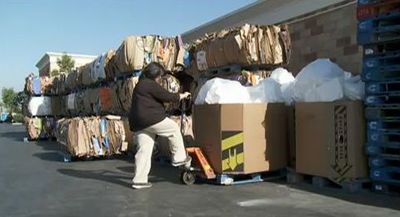
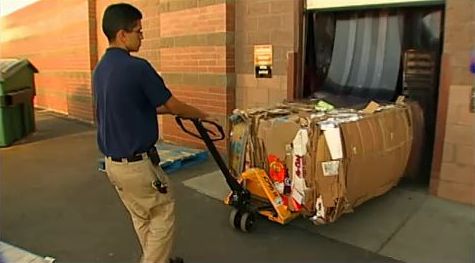
Recycling cardboard, paper, aluminum, plastic bags and roughly 30 other items through the
super sandwich bale (SSB) program. Items not eligible for the
SSB, including wood pallets, polystyrene plastic and apparel, are sent to Walmart’s return centers for reuse or recycling.
•
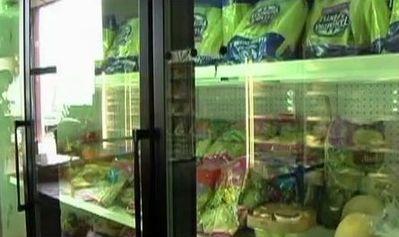
Donating healthy, nutritious food to food banks around the country. In 2010, Walmart donated 256 million pounds of food to hunger relief organizations – the equivalent of 197 million meals.
•
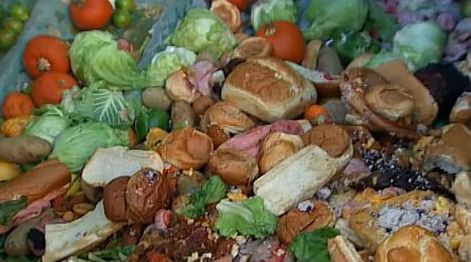
Creating animal feed, energy or compost from expired food and other organic products following the
EPA’s food waste hierarchy.
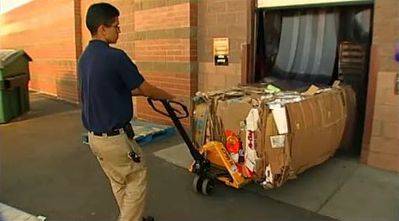 |
Recycling.
Courtesy of Walmart |
| |
“Walmart is to be commended for making real progress in minimizing the environmental impact of waste from its stores,” said
Karen Luken, director of the Clinton Climate Initiative’s (CCI) Waste Program.
"One of the key aims for CCI’s Waste Program is to reduce methane emissions from landfills, and Walmart’s initiative sends a clear message to other businesses that this is one source of emissions that can and should be addressed now.”
 |
Recycling.
Courtesy of Walmart |
| |
Walmart began implementing and consistently tracking its new and existing waste reduction efforts in California in 2009.
 |
Return Centers.
Courtesy of Walmart |
| |
A third-party review has shown
Walmart uses an appropriate process to establish its waste reduction data.
 |
Donations.
Courtesy of Walmart |
| |
The nationwide program, based on the California model, will include an ongoing review to monitor the program's success.
Videos
Walmart Reduces Environmental Footprint in California
http://www.youtube.com/watch?v=E5mJWSKMaDk&feature
http://walmartstores.com/Video/?id=1572
Source: Wal-Mart Stores, Inc.
http://walmartstores.com/pressroom/news/10553.aspx
Walmart Launches Major Initiative to Make Food Healthier and Healthier Foods More Affordable
Washington, D.C., USA - Jan. 20, 2011
At an event today in
Washington, D.C., Walmart, the nation’s largest grocer, unveiled a comprehensive effort to provide its customers with healthier and more affordable food choices.
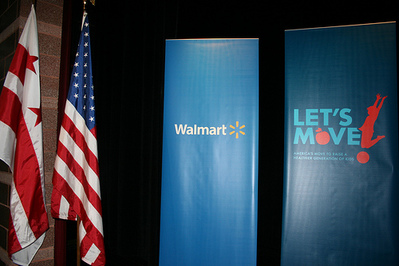 |
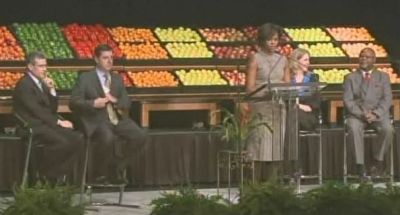
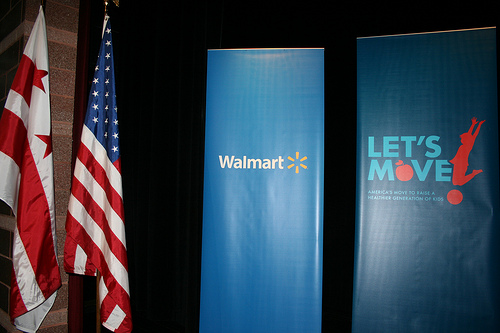
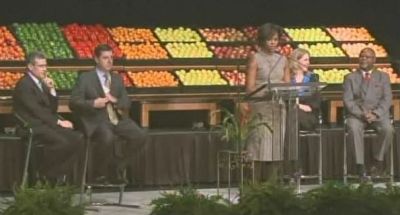
Walmart’s Making Foods Healthier and Healthier Foods More Affordable event in Washington, D.C.
Courtesy of Walmart |
| |
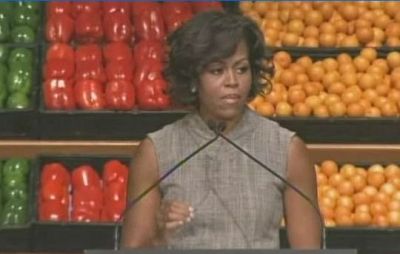
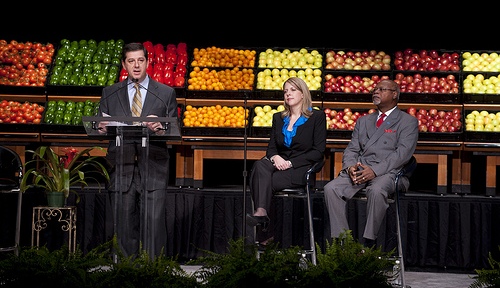
The company was joined by
Michelle Obama, First Lady of the United States, as it outlined the five key elements of the program including:
1.
Reformulating thousands of everyday packaged food items by 2015 by reducing sodium 25 percent and added sugars 10 percent, and by removing all remaining industrially produced trans fats. The company will work with suppliers to improve the nutritional quality of national food brands and its Great Value private brand in key product categories to complete the reformulations;
2.
Making healthier choices more affordable, saving customers approximately $1 billion per year on fresh fruits and vegetables through a variety of sourcing, pricing, and transportation and logistics initiatives that will drive unnecessary costs out of the supply chain. Walmart will also dramatically reduce or eliminate the price premium on key “better-for-you” items, such as reduced sodium, sugar or fat products;
3.
Developing strong criteria for a simple front-of-package seal that will help consumers instantly identify truly healthier food options such as whole grain cereal, whole wheat pasta or unsweetened canned fruit;
4.
Providing solutions to address food deserts by building stores in underserved communities that are in need of fresh and affordable groceries; and
5.
Increasing charitable support for nutrition programs that help educate consumers about healthier food solutions and choices.
 |
Michelle Obama, First Lady of the United States, at Walmart’s Making Foods Healthier and Healthier Foods More Affordable event in Washington, D.C.
Courtesy of Walmart |
| |
“No family should have to choose between food that is healthier for them and food they can afford,” said
Bill Simon, president and CEO of Walmart U.S.
“With more than 140 million customer visits each week, Walmart is uniquely positioned to make a difference by making food healthier and more affordable to everyone. We are committed to working with suppliers, government and non-governmental organizations to provide solutions that help Americans eat healthier and live a better life.”
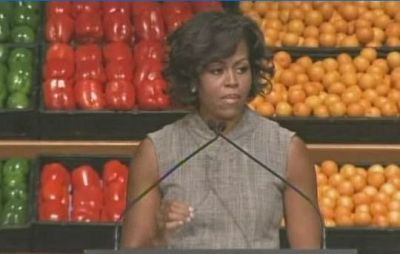 |
Michelle Obama, First Lady of the United States, at Walmart’s Making Foods Healthier and Healthier Foods More Affordable event in Washington, D.C.
Courtesy of Walmart |
| |
This program builds on the success of the
First Lady’s “Let’s Move” campaign to make healthy choices more convenient and affordable for families and is consistent with Walmart’s commitment to lead on social issues that matter to its customers.
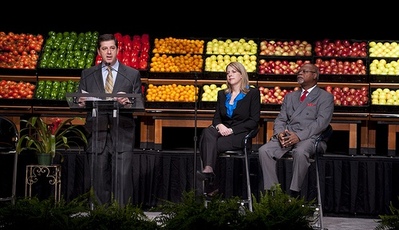 |
Walmart’s Making Foods Healthier and Healthier Foods More Affordable event in Washington, D.C.
Courtesy of Walmart |
| |
“We applaud First Lady Michelle Obama’s leadership and commitment to this important cause,” said
Leslie Dach, executive vice president of corporate affairs at Walmart.
“Few individuals have done more to raise awareness of the importance of healthier habits -especially among children - than she has. She was a catalyst that helped make today’s announcement a reality and her spirit of collaboration made our commitment to bring better nutrition to kitchen tables across this country even stronger.”
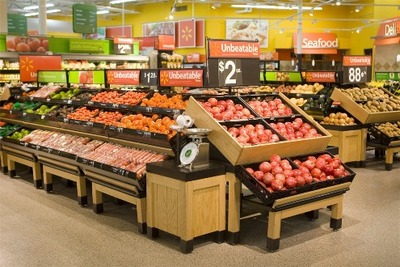 |
Project Impact - Grocery
Courtesy of Walmart |
| |
Walmart will reformulate key product categories of its
Great Value private brand and collaborate with suppliers to reformulate national brands within the same categories by
2015.
The effort is designed to help
reduce the consumption of sodium, sugar and
trans fats, which are major contributors to the epidemic of obesity and chronic diseases in
America today, including
high blood pressure, diabetes and heart disease.
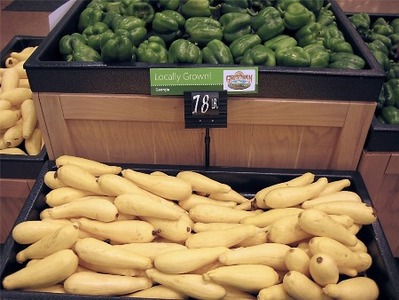 |
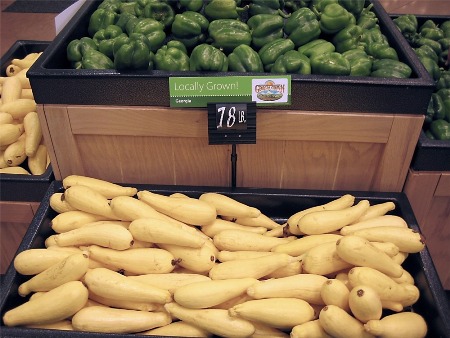
Locally grown produce.
Courtesy of Walmart |
| |
The reformulation initiative includes three components:
•
Reduce sodium by 25 percent in a broad category of grocery items, including grain products, luncheon meats, salad dressings and frozen entrees;
•
Reduce added sugars by 10 percent in dairy items, sauces and fruit drinks; and
•
Remove all remaining industrially produced trans fats (partially hydrogenated fats and oils) in all packaged food products.
As its suppliers make choices on reformulating their products beyond the
Walmart supply chain, the company expects
millions of Americans to benefit whether they shop at
Walmart or not.
“Our customers tell us they want a variety of food choices and need help feeding their families healthier foods. At Walmart, we are committed to doing both,” said
Andrea Thomas, senior vice president of sustainability at Walmart.
“We support consumer choice so this is not about telling people what they should eat. Our customers understand that products like cookies and ice cream are meant to be an indulgent treat. This effort is aimed at eliminating sodium, sugar and trans fat in products where they are not really needed.”
For more information visit:
www.walmartstores.com/healthierfoods
Source: Wal-Mart Stores, Inc.
http://walmartstores.com/pressroom/news/10514.aspx
About Walmart
Wal-Mart Stores, Inc. (NYSE: WMT), or “
Walmart,” serves customers and members more than
200 million times per week at more than
8,900 retail units under
60 different banners in 15 countries.
 |
Home Office, Bentonville, Arkansas, is home to Walmart.
Courtesy of Walmart |
| |
With fiscal year 2011
sales of $419 billion, Walmart employs more than
2 million associates worldwide.
 |
Mike Duke, President and CEO of Walmart.
Courtesy of Walmart |
| |
A leader in sustainability, corporate philanthropy and
employment opportunity, Walmart ranked first among retailers in Fortune Magazine’s 2010 Most Admired Companies survey.
Additional information about
Walmart can be found by visiting
http://walmartstores.com/
and on Twitter at
http://twitter.com/walmart
Online merchandise sales are available at
http://www.walmart.com/ and
http://www.samsclub.com/
Wastes - Non-Hazardous Waste - Municipal Solid Waste
Municipal Solid Waste (MSW) - more commonly known as
trash or garbage - consists of everyday items we use and then throw away, such as
product packaging, grass clippings, furniture, clothing, bottles, food scraps, newspapers, appliances, paint, and
batteries.
This comes from our homes, schools, hospitals, and businesses.
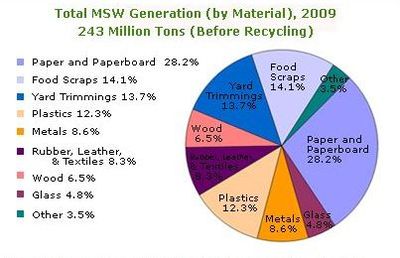 |
Total Municipal Solid Waste (MSW) Generation (by Material), 2009: 243 Million Tons (before recycling).
Courtesy of the United States Environmental Protection Agency (EPA) |
| |
Each year the
United States Environmental Protection Agency (EPA) produces a report on
MSW generation, recycling, and
disposal
http://www.epa.gov/osw/nonhaz/municipal/msw99.htm
In 2009,
Americans produced about 243 million tons of MSW, or about
4.3 pounds of waste per person per day.
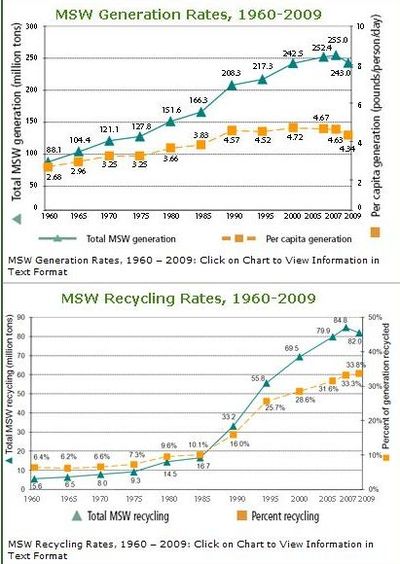 |
MSW Generation Rates, 1960-2009 and MSW Recycling Rates, 1960-2009.
Courtesy of the United States Environmental Protection Agency (EPA) |
| |
This section describes the requirements for disposal and combustion of
Municipal Solid Waste:
• Landfills are engineered areas where waste is placed into the land. Landfills usually have liner systems and other safeguards to prevent polluting the groundwater.
• Combustion of MSW is done to reduce the amount of landfill space needed and to generate electricity.
• Transfer Stations are facilities where municipal solid waste is unloaded from collection vehicles and briefly held while it is reloaded onto larger, long-distance transport vehicles for shipment to landfills or other treatment or disposal facilities.
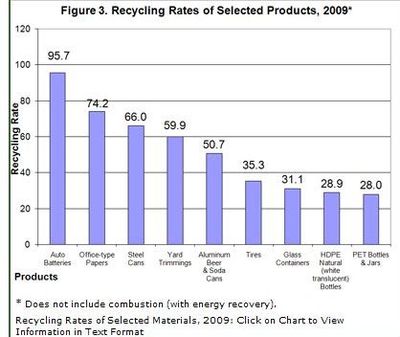 |
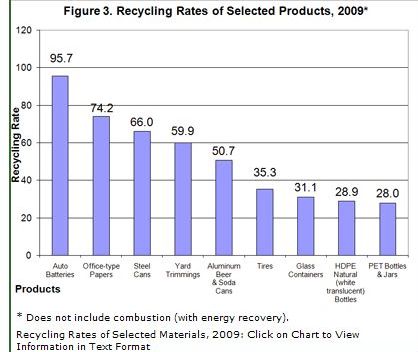
Recycling Rates of Selected Materials, 2009.
Courtesy of the United States Environmental Protection Agency (EPA) |
| |
EPA encourages practices that reduce the amount of waste needing to be disposed of, such as
waste prevention, recycling, and composting.
•
Source reduction, or waste prevention, is designing products to reduce the amount of waste that will later need to be thrown away and also to make the resulting waste less toxic.
•
Recycling is the recovery of useful materials, such as paper, glass, plastic, and metals, from the trash to use to make new products, reducing the amount of new raw materials needed.
•
Composting involves collecting organic waste, such as food scraps and yard trimmings, and storing it under conditions designed to help it break down naturally. This resulting compost can then be used as a natural fertilizer.
Currently, in the
United States, 33.8 percent is recovered and recycled or composted,
11.9 percent is burned at combustion facilities, and the remaining
54.3 percent is disposed of in landfills.
Resource Conservation
Recycling and composting prevented 82 million tons of material away from being disposed of 2009, up from
15 million tons in 1980.
This prevented the release of approximately
178 million metric tons of carbon dioxide equivalent into the air in 2009 -
equivalent to taking 33 million cars off the road for a year.
Learn more about how common wastes and materials, including
food and
yard wastes, paper, metals, and
electronics, contribute to
MSW generation and how they can be
recycled
http://www.epa.gov/osw/conserve/materials/index.htm
Source: the United States Environmental Protection Agency (EPA)
http://www.epa.gov/osw/nonhaz/municipal/
Video
Wal-Mart's Green Revolution
http://www.youtube.com/watch?v=eUCznRsf1-Y&feature=related
ASTROMAN magazine



 subskrypcja RSS
























 strona: 1 z 1